The Best Realtors Don't Just Help Complete Transactions ; the best Realtors understand that buying or selling a home is not just a financial decision. It is a personal one. A great advisor brings strategy, experience, honesty and perspective to the table. They help clients understand opportunities, recognize risks and make informed decisions with confidence. The hidden value of a good Realtor is not always visible at the beginning of a relationship. Often, it becomes most apparent when the stakes are highest.

Before choosing someone to represent you, consider:
✔ Am I choosing advice or simply the lowest fee?
✔ Does this person challenge my assumptions, or only tell me what I want to hear?
✔ Do they explain why a strategy makes sense, not just what action to take?
✔ Will they help me make decisions when the market changes?
✔ Do I trust them to protect my interests, even if it means losing a transaction?
In a strong market, almost everyone can appear successful. Properties sell quickly. Competition creates urgency. Buyers and sellers often have fewer questions.
It requires stronger strategy, better communication, realistic pricing, consistent follow-up, and the ability to adapt. This is also where consumers should look closely when choosing representation.
Real estate is a full-time profession. In challenging markets, the difference between someone who treats it as a career and someone who does it occasionally can become much more noticeable. Preparation, market knowledge and commitment matter more when conditions are difficult.
Years in the business alone do not create expertise. Experience matters because it creates perspective. A seasoned Realtor has likely encountered:
Multiple market cycles
Challenging negotiations
Financing complications
Inspection issues
Strata concerns
Difficult conversations
Transactions that almost fell apart
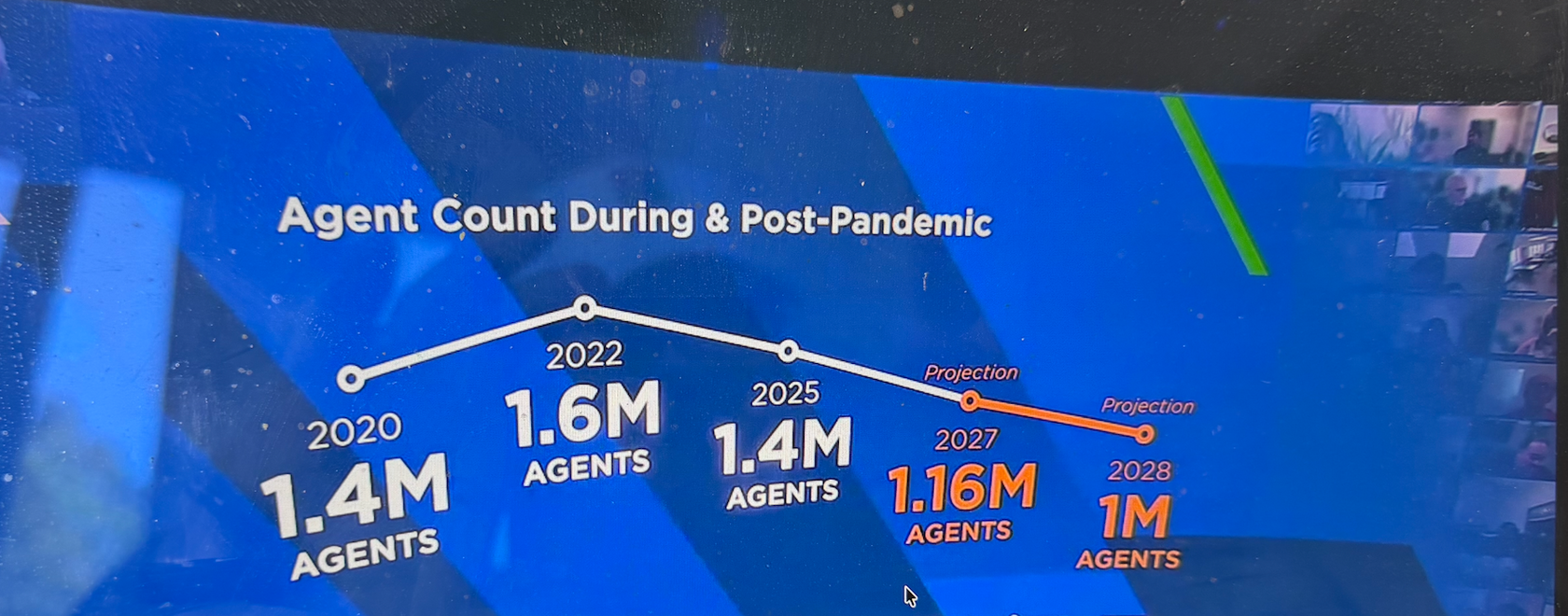
Anyone can perform when everything goes smoothly. The true value of experience is knowing what to do when it does not. Good judgment often comes from seeing patterns others have not yet experienced. NAR stats above.
Clients should expect honesty from their Realtor. But honest advice is not always comfortable advice. A trusted advisor should be willing to have conversations such as:
Your home may be priced too high for today's market.
This offer deserves serious consideration.
That renovation may not provide the return you expect.
Another property may actually fit your needs better.
Waiting could be the smarter financial decision.
The role of a Realtor is not simply to create confidence. It is to create clarity. Sometimes protecting a client's interests means saying something they did not expect to hear.
Every licensed Realtor in BC has a fiduciary responsibility to act in their client's best interest. This includes duties such as loyalty, confidentiality, full disclosure and putting the client's interests first. These responsibilities are fundamental. But how they are applied can vary significantly.
A great Realtor does not simply explain contracts and paperwork. They consistently consider the bigger picture:
Is this purchase financially sensible?
Is this offer protecting the buyer?
Is this listing strategy realistic?
Are there risks the client may not see?
Sometimes the best advice is not the advice that creates a transaction. Sometimes it means recommending a buyer walk away.Sometimes it means telling a seller that waiting, preparing differently, or adjusting expectations may create a better outcome.
Real estate is a collaborative business. A successful transaction often requires cooperation between Realtors, lawyers, mortgage professionals, inspectors, appraisers, and many other people involved in the process. An agent known for professionalism, responsiveness, and integrity often has more productive conversations with other professionals. This does not mean giving away negotiation power or being overly agreeable.
It means reducing unnecessary friction, solving problems faster, and creating an environment where solutions are easier to find.
Strong relationships do not replace negotiation. They often make better negotiation possible.
Some of the qualities that have the greatest impact on your transaction are invisible. They cannot always be measured by sales volume, advertising, or a profile page. Yet they can make a significant difference in the outcome. Buying or selling a home is one of the biggest financial decisions most people will make. Yet when choosing a Realtor, many consumers focus on the things that are easiest to see:
How many homes they have sold
Their online reviews
Their marketing
Their social media presence
Their commission structure
Those things matter. But they don't always tell the full story. The difference between an average Realtor and an exceptional one is often found in the qualities that are harder to measure — judgment, communication, relationships, honesty, and the ability to protect a client's interests when things become complicated.
Real estate is not just about opening doors, writing offers, or putting a property on the market. Technology has made many parts of the transaction easier. Buyers can search listings instantly. Sellers can see estimated values online. Marketing tools are more accessible than ever. But information is not the same as expertise.
The real value of a great Realtor comes from interpreting information, understanding risk, anticipating challenges and helping clients make better decisions. Anyone can look successful when the market is easy.
Choosing a Realtor: Questions Worth Asking
Before choosing someone to represent you, consider:
✔ Am I choosing advice or simply the lowest fee?
✔ Does this person challenge my assumptions, or only tell me what I want to hear?
✔ Do they explain why a strategy makes sense, not just what action to take?
✔ Will they help me make decisions when the market changes?
✔ Do I trust them to protect my interests, even if it means losing a transaction?
A Slower Market Reveals Professional Differences
In a strong market, almost everyone can appear successful. Properties sell quickly. Competition creates urgency. Buyers and sellers often have fewer questions.
A slower market is different.
It requires stronger strategy, better communication, realistic pricing, consistent follow-up, and the ability to adapt. This is also where consumers should look closely when choosing representation.
Real estate is a full-time profession. In challenging markets, the difference between someone who treats it as a career and someone who does it occasionally can become much more noticeable. Preparation, market knowledge and commitment matter more when conditions are difficult.
Experience Is About Judgment, Not Just Years
Years in the business alone do not create expertise. Experience matters because it creates perspective. A seasoned Realtor has likely encountered:
Multiple market cycles
Challenging negotiations
Financing complications
Inspection issues
Strata concerns
Difficult conversations
Transactions that almost fell apart
Anyone can perform when everything goes smoothly. The true value of experience is knowing what to do when it does not. Good judgment often comes from seeing patterns others have not yet experienced. NAR stats above.
Honesty Is Not a Selling Feature — It Is the Standard
Clients should expect honesty from their Realtor. But honest advice is not always comfortable advice. A trusted advisor should be willing to have conversations such as:
Your home may be priced too high for today's market.
This offer deserves serious consideration.
That renovation may not provide the return you expect.
Another property may actually fit your needs better.
Waiting could be the smarter financial decision.
The role of a Realtor is not simply to create confidence. It is to create clarity. Sometimes protecting a client's interests means saying something they did not expect to hear.
Fiduciary Duty Is More Than a Legal Requirement
Every licensed Realtor in BC has a fiduciary responsibility to act in their client's best interest. This includes duties such as loyalty, confidentiality, full disclosure and putting the client's interests first. These responsibilities are fundamental. But how they are applied can vary significantly.
A great Realtor does not simply explain contracts and paperwork. They consistently consider the bigger picture:
Is this purchase financially sensible?
Is this offer protecting the buyer?
Is this listing strategy realistic?
Are there risks the client may not see?
Sometimes the best advice is not the advice that creates a transaction. Sometimes it means recommending a buyer walk away.Sometimes it means telling a seller that waiting, preparing differently, or adjusting expectations may create a better outcome.
Strong Professional Relationships Matter
Real estate is a collaborative business. A successful transaction often requires cooperation between Realtors, lawyers, mortgage professionals, inspectors, appraisers, and many other people involved in the process. An agent known for professionalism, responsiveness, and integrity often has more productive conversations with other professionals. This does not mean giving away negotiation power or being overly agreeable.
It means reducing unnecessary friction, solving problems faster, and creating an environment where solutions are easier to find.
Strong relationships do not replace negotiation. They often make better negotiation possible.
The Most Valuable Things Aren't Listed on a Business Card
Some of the qualities that have the greatest impact on your transaction are invisible. They cannot always be measured by sales volume, advertising, or a profile page. Yet they can make a significant difference in the outcome. Buying or selling a home is one of the biggest financial decisions most people will make. Yet when choosing a Realtor, many consumers focus on the things that are easiest to see:
How many homes they have sold
Their online reviews
Their marketing
Their social media presence
Their commission structure
Those things matter. But they don't always tell the full story. The difference between an average Realtor and an exceptional one is often found in the qualities that are harder to measure — judgment, communication, relationships, honesty, and the ability to protect a client's interests when things become complicated.
The Gap Between an Average Realtor and an Exceptional Advisor
Real estate is not just about opening doors, writing offers, or putting a property on the market. Technology has made many parts of the transaction easier. Buyers can search listings instantly. Sellers can see estimated values online. Marketing tools are more accessible than ever. But information is not the same as expertise.
The real value of a great Realtor comes from interpreting information, understanding risk, anticipating challenges and helping clients make better decisions. Anyone can look successful when the market is easy.
The true test is how someone performs when conditions are uncertain, negotiations become difficult, or emotions run high.
