What is the difference between laneway homes and coach houses including ownership, resale potential, rental income and investment opportunities.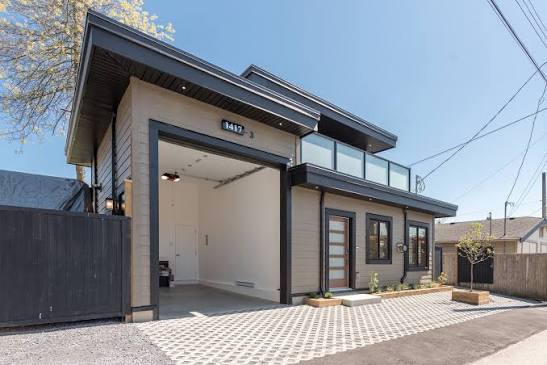
A **laneway home** is a detached secondary dwelling typically built at the rear of a single-family property, accessed from the lane. Vancouver introduced laneway housing to increase housing options while allowing homeowners to maintain the character of established neighbourhoods.
Laneway homes are commonly used for:
* Additional space for family members
* Mortgage-helping rental income
* A home for aging parents or adult children
* A flexible space for future needs
For many Vancouver homeowners, a laneway home provides the ability to add living space without selling or leaving their existing neighbourhood. However, a key point is that a traditional laneway home is generally not a separate legal property that can be sold independently. It remains part of the original lot and ownership structure.
What Is a Coach House?
A **coach house** is another type of detached secondary dwelling, but the term is often associated with properties where the secondary home may have a different ownership structure. In some areas, including parts of Vancouver’s East Side, certain coach homes can be **stratified and sold separately**. This creates a significant difference from a traditional laneway home.
For buyers, a sellable coach home can provide an opportunity to own a detached home at a lower price point compared to a traditional single-family property.
For sellers and developers, a coach house may offer additional investment potential by creating a separate marketable property.
With limited land availability and changing housing needs, detached secondary homes have become an important part of Vancouver’s housing landscape. For homeowners, they can provide flexibility and additional income. For buyers, they can offer unique opportunities in neighbourhoods where detached homes are becoming increasingly expensive.
Whether you are looking in East Vancouver, the West Side or surrounding communities, understanding the difference between a laneway home and a coach house can help you make a more informed decision.
Not every property qualifies for a laneway home or coach house and zoning regulations, financing, construction costs and resale considerations can vary significantly. Before making a decision, it is important to understand not only what can be built, but also how it impacts the long-term value and marketability of the property.
As a Vancouver real estate advisor, I help homeowners and buyers evaluate these opportunities — from understanding potential value to making informed decisions about buying, selling, or creating additional living space.
If you are considering a property with a laneway home, exploring a coach house opportunity, or wondering how a secondary dwelling could impact your home’s value, I would be happy to provide a market-based perspective.
Vancouver homeowners have become increasingly interested in detached secondary homes as a way to create more flexibility, add housing options, and increase property value. Terms like **laneway home**, **coach house**, and **infill housing** are often used interchangeably, but there are important differences — especially when it comes to ownership and resale potential. Understanding these differences is important whether you are a homeowner considering adding a secondary dwelling a buyer searching for a property with rental potential or an investor looking at Vancouver real estate opportunities.
What Is a Laneway Home in Vancouver?
A **laneway home** is a detached secondary dwelling typically built at the rear of a single-family property, accessed from the lane. Vancouver introduced laneway housing to increase housing options while allowing homeowners to maintain the character of established neighbourhoods.
Laneway homes are commonly used for:
* Additional space for family members
* Mortgage-helping rental income
* A home for aging parents or adult children
* A flexible space for future needs
For many Vancouver homeowners, a laneway home provides the ability to add living space without selling or leaving their existing neighbourhood. However, a key point is that a traditional laneway home is generally not a separate legal property that can be sold independently. It remains part of the original lot and ownership structure.
What Is a Coach House?
A **coach house** is another type of detached secondary dwelling, but the term is often associated with properties where the secondary home may have a different ownership structure. In some areas, including parts of Vancouver’s East Side, certain coach homes can be **stratified and sold separately**. This creates a significant difference from a traditional laneway home.
For buyers, a sellable coach home can provide an opportunity to own a detached home at a lower price point compared to a traditional single-family property.
For sellers and developers, a coach house may offer additional investment potential by creating a separate marketable property.
Why These Homes Matter in Vancouver Real Estate
With limited land availability and changing housing needs, detached secondary homes have become an important part of Vancouver’s housing landscape. For homeowners, they can provide flexibility and additional income. For buyers, they can offer unique opportunities in neighbourhoods where detached homes are becoming increasingly expensive.
Whether you are looking in East Vancouver, the West Side or surrounding communities, understanding the difference between a laneway home and a coach house can help you make a more informed decision.
Before Buying or Building, Understand the Details
Not every property qualifies for a laneway home or coach house and zoning regulations, financing, construction costs and resale considerations can vary significantly. Before making a decision, it is important to understand not only what can be built, but also how it impacts the long-term value and marketability of the property.
As a Vancouver real estate advisor, I help homeowners and buyers evaluate these opportunities — from understanding potential value to making informed decisions about buying, selling, or creating additional living space.
If you are considering a property with a laneway home, exploring a coach house opportunity, or wondering how a secondary dwelling could impact your home’s value, I would be happy to provide a market-based perspective.
