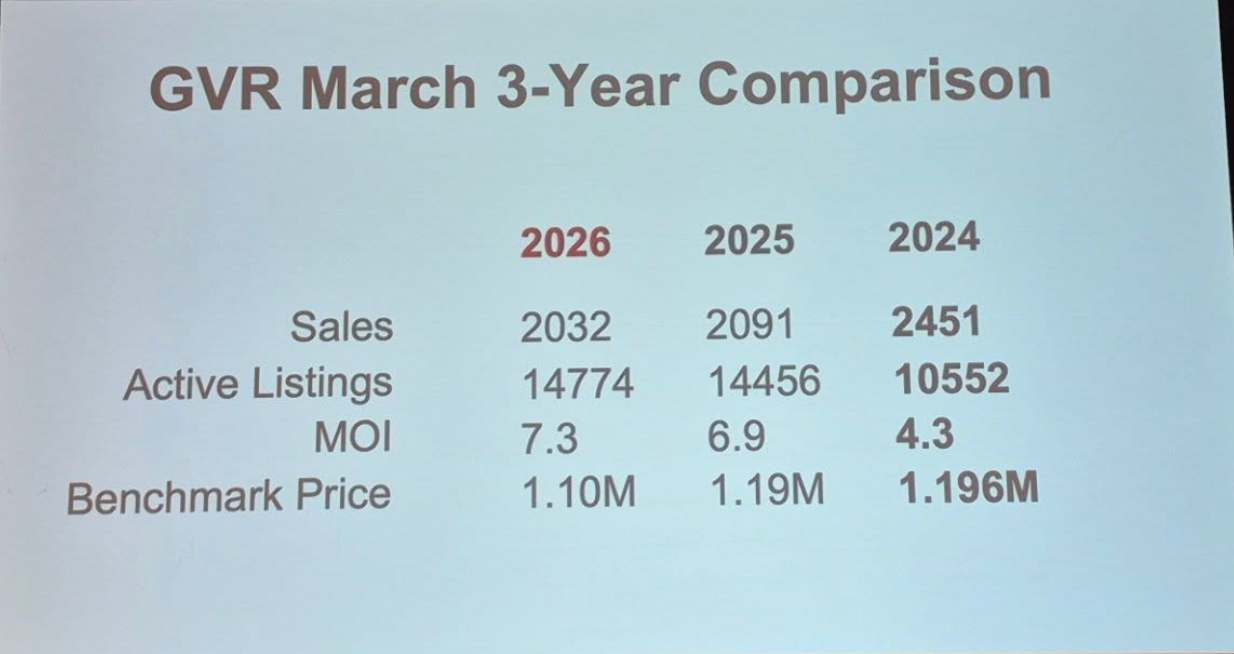
Most buyers and sellers don’t have a market problem. They have a clarity problem.
If you’re considering a move in 2026 ask this question: What would need to be true for me to act confidently?
Introduction
This looks like a buyer’s market.It isn’t—at least not in the way most people think.
Inventory is up.
Buyers have more choice.
But here’s what’s actually happening in Vancouver real estate in 2026: This is a selective market. And selective markets don’t reward waiting. They reward preparation.
Vancouver Real Estate in 2026 — What the Data Actually Shows
Across Metro Vancouver:
Detached homes: 9.1 months of inventory
Condos: 6.4 months of inventory
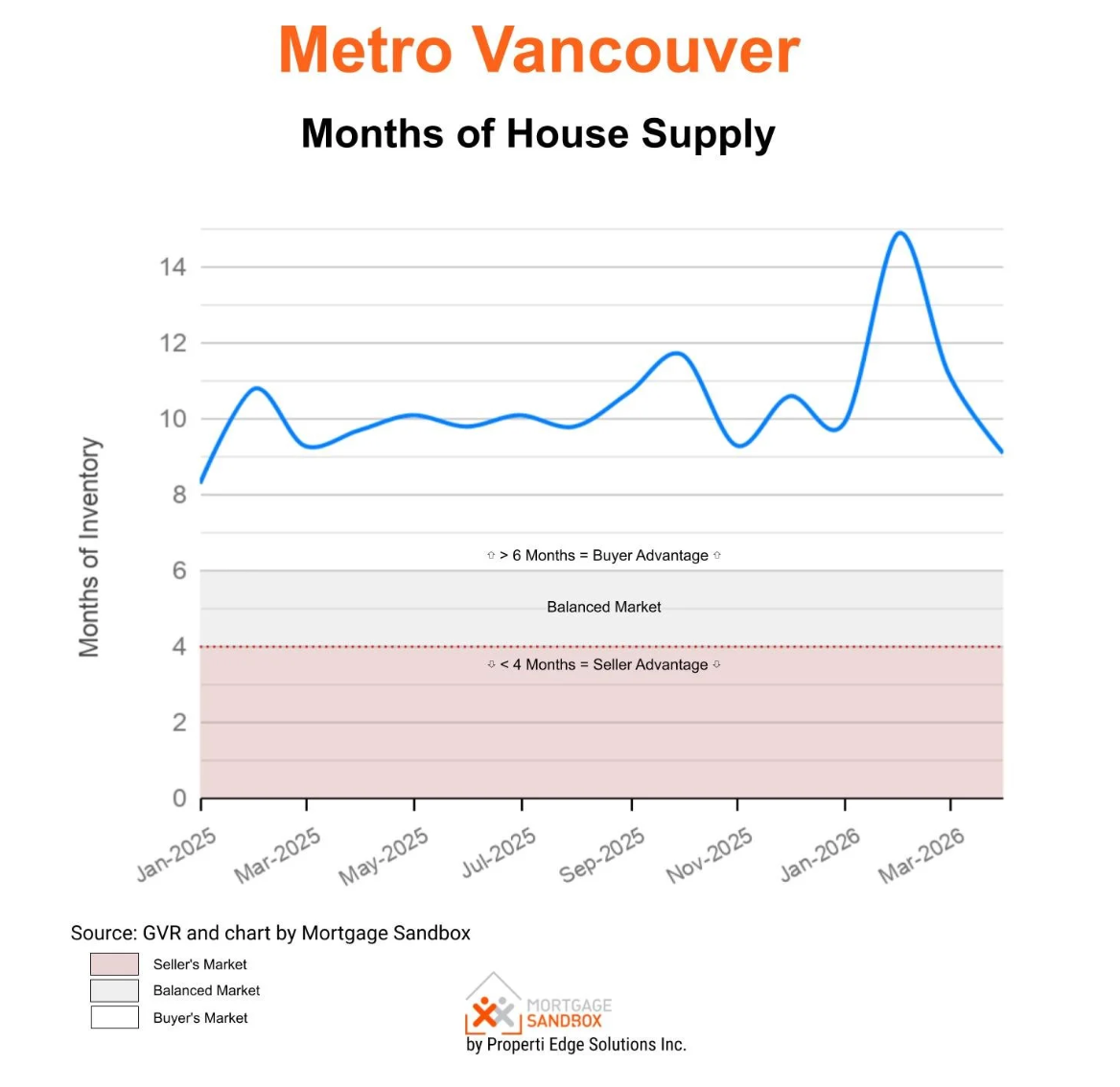
Anything above six months typically favours buyers.
Detached Homes — Prices Down, Demand Quietly Returning
Prices down ~9% year-over-year
Demand up ~8%
Inventory tightening slightly
Read it correctly: Leverage exists—but buyers are already acting in specific segments.
Condos — Stable Prices, Slower Decisions
Prices down ~8% year-over-year
Demand down ~8%
Prices flat in recent months
Translation: Choice is high. Urgency is low.
This Isn’t a Slow Market—It’s a Selective Market
The label “buyer’s market” is incomplete.
What’s actually happening:
Well-priced homes → selling
Turnkey homes → attracting attention
Mispriced listings → sitting
Same city. Same week. Different outcomes.
That’s a selective market.
More Listings, Less Confidence
More inventory should help buyers. It isn’t—yet.
Why More Choice Is Slowing Decisions?
Too many options → comparison fatigue
Longer searches → lower confidence
Lower confidence → missed timing
More inventory → slower decisions → lost opportunities
The Mistake Most Buyers Are Making
Many buyers are treating this like a “wait and see” market; That’s the trap.
What That Looks Like in Practice
Browsing without defined criteria
Waiting for “better deals” everywhere
Trying to time the bottom
By the time the market feels safe, it’s already moved.
Waiting Isn’t Neutral
Waiting feels like control; It isn’t.
What Waiting Actually Costs
The best listings sell quietly
Your clarity erodes over time
You enter later—less prepared
Standing still is still a decision.
Where Buyers Actually Have Leverage?
This is where most people get it wrong.
Buyers don’t have leverage everywhere.
Leverage Exists When Sellers Are Misaligned
Overpriced listings
Poor presentation
Time-sensitive sellers
But: Well-priced homes → still competitive; Turnkey homes → still move quickly; Leverage is situational—not universal.
A Real Market Example (What Selective Looks Like)
Two options in the same area:
New build: ~$1,200/sqft
Resale (5 years old): ~$1,000/sqft
What buyers are choosing:
Immediate certainty
Lower price
Less risk
Buyers aren’t just negotiating—they’re filtering value
The Risk Most Buyers Are Ignoring — Interest Rates
Current conditions feel manageable. But the data points to a shift:
Rates may rise sooner than expected
Even small increases reduce affordability
What Changes If Rates Move ?
Buying power drops
Monthly costs increase
Some buyers get priced out
Price and rates move together. Waiting on one risks the other.
Sellers
This Market Is Filtering You
More listings doesn’t mean no buyers; It means more scrutiny.
What’s Actually Happening
Buyers are active—but selective
Competition is higher
Pricing determines outcome
What’s not working: Testing the market;Overpricing; Anchoring to past sales
This market doesn’t reward optimism. It rewards precision.
The Affordability Gap (Why This Market Feels Stuck)?
Current reality:
Detached homes: ~20.6x income
Condos: ~7.9x income
Sustainable range:
~4–6x income
What This Creates ?
Buyers hesitate
Sellers resist price adjustments
Deals require alignment—not luck
This isn’t a frozen market—it’s a negotiating one.
What Smart Buyers Are Doing Differently
The buyers winning today are not faster.
They are clearer.
Moves That Create Leverage
1. Define non-negotiables early
Not just budget—lifestyle fit.
2. Review documents before emotion kicks in
Avoid late-stage surprises.
3. Focus on micro-markets
Not “Vancouver”—specific segments.
4. Act when alignment appears
Not rushed. Not hesitant. Prepared.
What This Means for You
Buyers
You don’t need more listings—you need clarity
Waiting without a plan increases risk
Opportunities exist—but not evenly
Sellers
Your outcome is determined early
First 2–3 weeks matter most
Strategy beats timing
Your outcome is determined early
First 2–3 weeks matter most
Strategy beats timing
Final Thought
This isn’t an easy market.
But it’s not a broken one either.
It’s a selective market. And in selective markets:
Hesitation feels safe
Preparation creates leverage
You don’t need to predict the market.
You need to be positioned for it.
Call to Action
Most buyers and sellers don’t have a market problem.
They have a clarity problem.
If you’re considering a move in 2026, ask: “What would need to be true for me to act confidently?”
If you want a clear plan—timing, pricing, or positioning—reach out. One focused conversation can replace months of uncertainty.
This isn’t an easy market.
But it’s not a broken one either.
It’s a selective market. And in selective markets:
Hesitation feels safe
Preparation creates leverage
You don’t need to predict the market.
You need to be positioned for it.
Call to Action
Most buyers and sellers don’t have a market problem.
They have a clarity problem.
If you’re considering a move in 2026, ask: “What would need to be true for me to act confidently?”
If you want a clear plan—timing, pricing, or positioning—reach out. One focused conversation can replace months of uncertainty.
